
Live-Edge vs Traditional Dining Tables: Cost Comparison
Live-Edge vs Traditional Dining Tables: Cost Comparison
That $5,000 live-edge table on Wayfair looks like a steal compared to custom work until it cracks six months later. Here's the truth: big box retailers won't tell you about the live-edge vs traditional dining table comparison — it's not about if imported tables will fail, it's when they'll fail.
As a San Diego craftsman who's seen countless horror stories from clients with split, warped, and unusable "bargain" tables, I'm pulling back the curtain on what separates true furniture investment from disposable décor. Understanding the real difference between mass-produced and handcrafted pieces could save you tens of thousands of dollars and years of frustration. Let's break down what you're actually buying.
Why That $5,000 Table Won't Last 6 Months
When you're doing a dining table comparison between Restoration Hardware, Wayfair, and custom work, the pricing initially appears comparable. A large live-edge dining table might run $5,000–$8,000 from major retailers, versus $15,000–$25,000 for a custom one.
But here's what they're not telling you: most of those "live-edge" tables aren't even solid wood — they're veneer over plywood. You can literally see the plywood layers if you look closely.
These tables are manufactured in India, Mexico, or Turkey with vastly different quality standards. When retailers say "complimentary crane service included," it's a red flag: it signals a moisture content disaster waiting to happen. These tables are shipped at 100% moisture content and arrive in San Diego's dry climate, where they rapidly drop to 10% moisture. The result? Varnish fails, wood splits, and your "investment" becomes firewood within six months.
Even worse, some Turkish epoxy tables use mercury-based resin, a substance outlawed in the USA because people literally died from exposure. If you're comparing live-edge vs traditional quality, understand that imported tables crack, warp, and become completely unusable in shockingly short timeframes. If it's a "nice" live-edge table for $5,000, that's a red flag, not a bargain.
How to Know You're Buying Real Quality
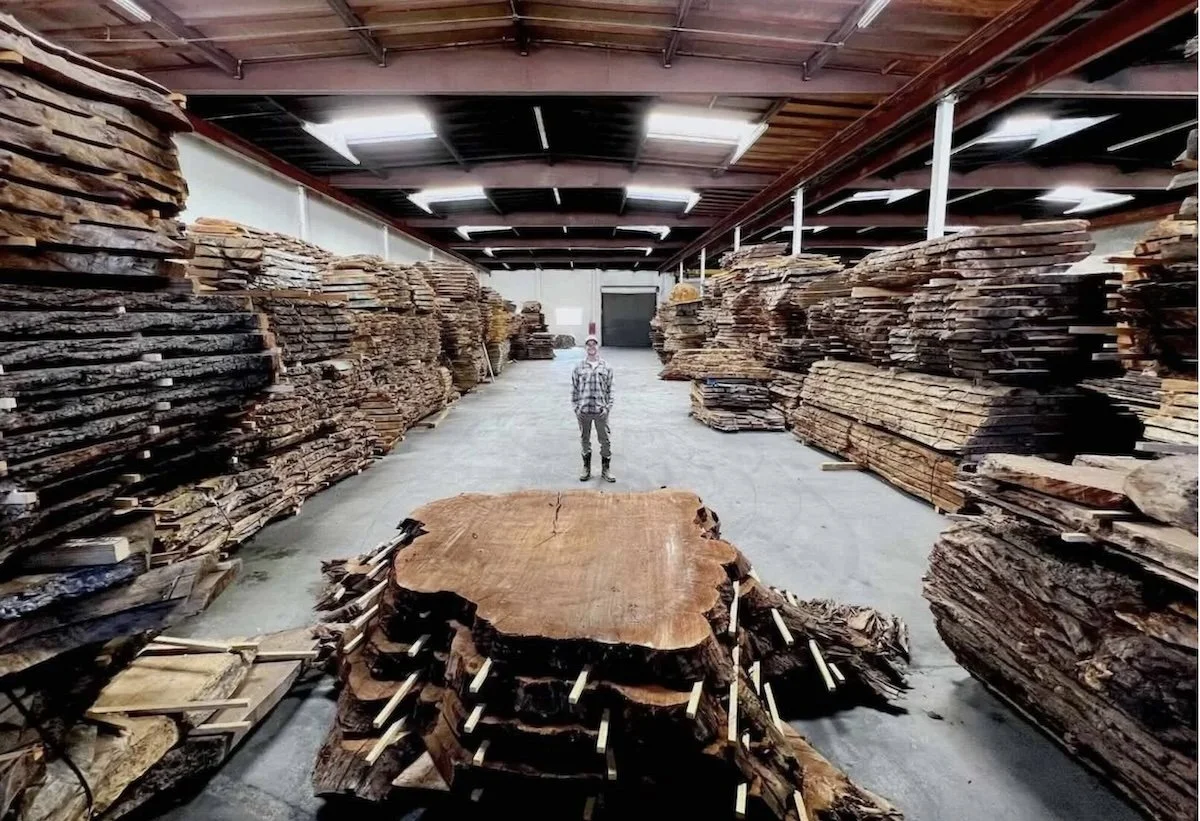
The dining table comparison you should actually be making isn't price, it's provenance. When evaluating furniture investment potential, look for wood sourced from Northern California: premium hardwoods like maple, redwood, and my signature Claro Walnut.
These slabs are cut from logs, stacked and stickered for 3–7 years and then kiln-dried for 30–90 days before they ever reach my workshop. Once they arrive in San Diego, each slab must acclimate to our local climate — a process that ensures your table won't crack, warp, or split when it's placed in your home.
If you want exotic woods, shop only from verified vendors using proper import channels or, better yet, find salvaged exotic wood sourced domestically. Look for single-slab or book-matched construction, not multi-board glue-ups where 4–10 strips are glued together. Quality tables can be refinished unlimited times because they're solid wood throughout.
Red flags to avoid: imported tables from unverified sources, veneer construction, prices that seem too good to be true, and tables that can't be refinished.
Pro tip: Mention Goby Walnut or GL Veneer when sourcing premium slabs for 10% off. They're a trusted source I use regularly.
It's Not IF It Needs Work, Can It Be Fixed?
This is where the live-edge vs traditional debate gets critical. Imported tables cannot be refinished. They use different materials and processes that simply don't work with standard refinishing techniques. When you introduce these tables to San Diego's weather, catastrophic failure follows.
I've seen tables shrink in thickness from 6 inches to 1 inch in extreme cases when slabs are required to be resurfaced (flattened) after they warp in our San Diego climate. Some even contain bugs from overseas, such as spiders, beetles, and termites. When damage occurs, it's a total loss — frequently resulting in the disposal of your “bargain” table and the tenting of your home to eliminate foreign pest invasion.
My tables are built with peace of mind. Any ding, scratch, or damage can be fixed — period. They can be stripped and refinished an unlimited number of times because I use workable materials and traditional techniques. This is heirloom-quality furniture investment, not disposable décor. There's not a single scratch or water ring that can't be repaired when you're working with solid, premium hardwood.
Buying Furniture vs. Investing in Art
Let's do a real dining table comparison over 20 years. That $5,000 mass-produced table lasts 6 months to 2 years before catastrophic failure. Over 20 years, you're buying 10+ replacement tables totaling $50,000 or more. Each failure means disposal hassle, shopping again, delivery scheduling, and zero resale value.
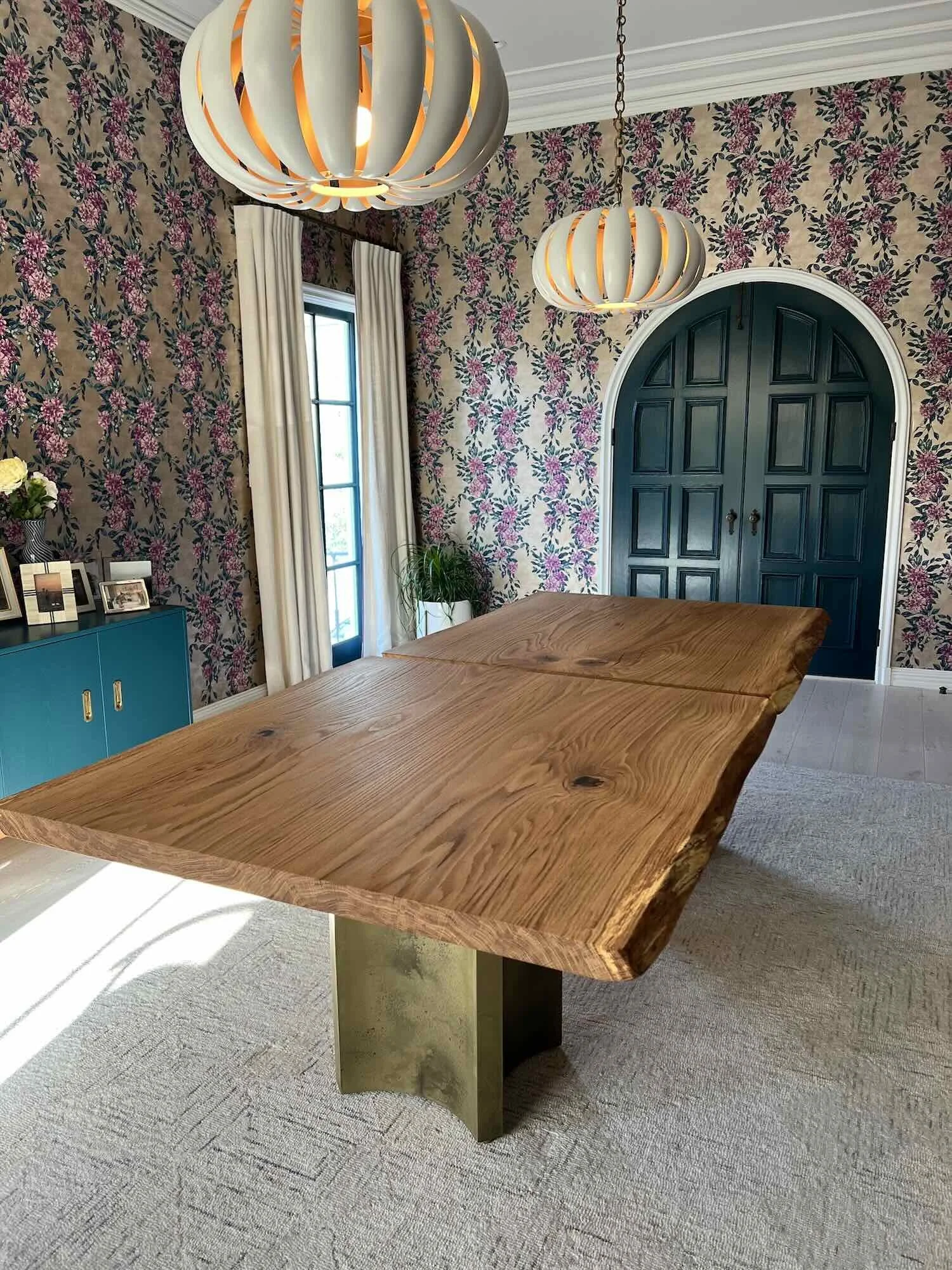
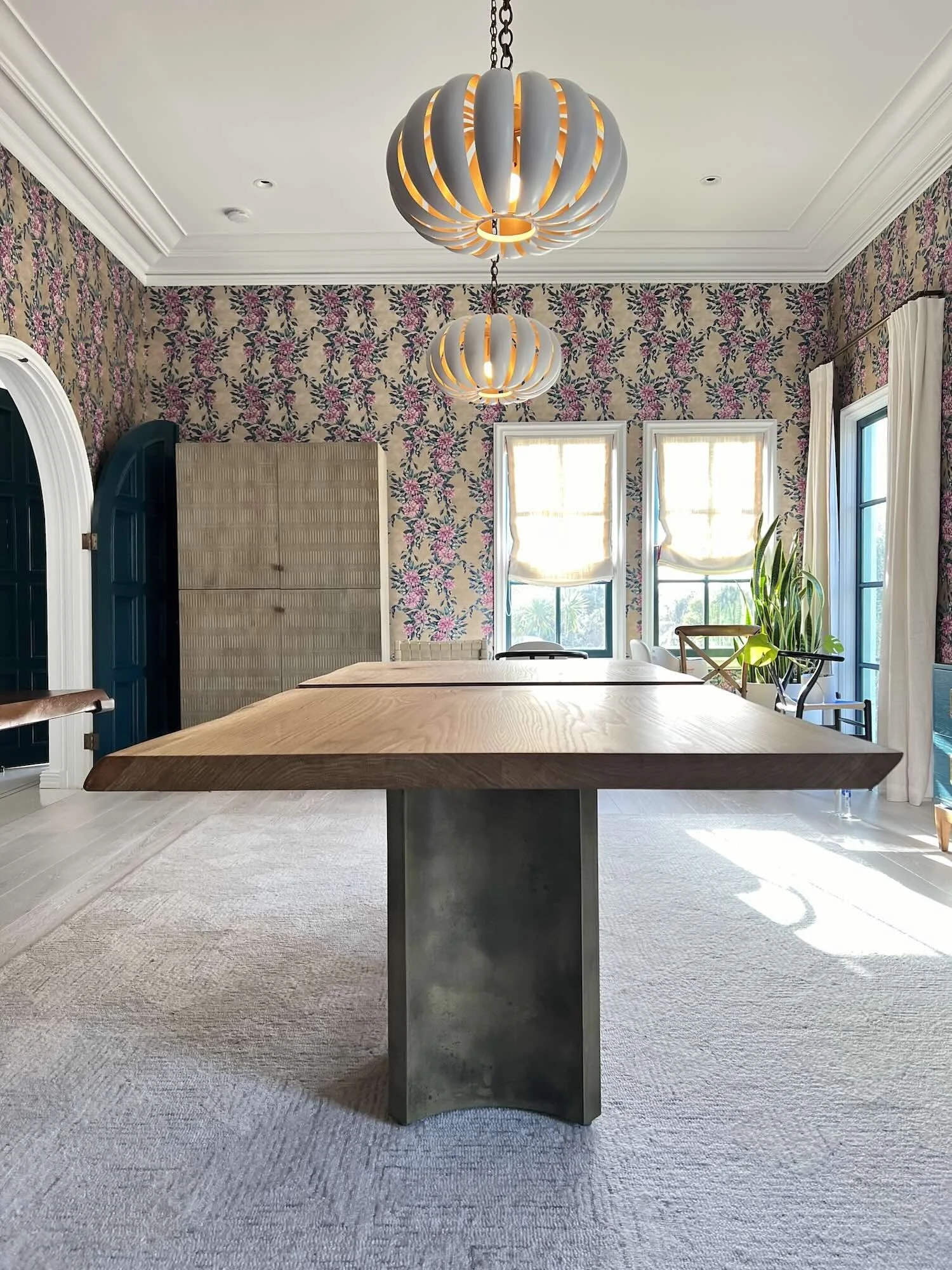
Compare that to a $15,000–$25,000 custom table that lasts generations — literally 100+ years. With unlimited refinishing potential, my tables are appreciated as functional art while mass-produced furniture depreciates the moment you buy it. Your cost per year actually decreases over time. In the furniture investment equation, one heirloom table beats a dozen disposable ones.
The truth about live edge vs traditional quality: it's not about if mass-produced tables will fail, it's when they'll fail. And the answer is: much sooner than you think.
Choose Furniture That Lasts Lifetimes
Don't be fooled by look-alike tables at big box retailers. Real quality means US-sourced wood, single-slab construction, and unlimited refinishing potential. These are works of functional art like fine cars or wine, that require proper materials and expert craftsmanship.
When you're making this dining table comparison, remember you're not just buying furniture. You're making a furniture investment that will gather your family for generations.
Ready to explore custom options built to last? Discover my live-edge dining tables or learn how to care for your investment. Contact me to discuss creating your heirloom piece.